Our multidisciplinary team integrates biomechanics, neuroimaging, virtual reality, and clinical research to advance the objective measurement of human performance, injury risk, and recovery.

Director, Emory SPARC
Professor, Department of Orthopaedics
Administrative Assistant: rachel.cuellar@emory.edu

Director of Motor Neuroimaging, Emory SPARC
Assistant Professor, Department of Orthopaedics

Director of Sensorimotor Dynamics, Emory SPARC
Assistant Professor, Department of Orthopaedics
Director, Emory SPARC
Professor, Department of Orthopaedics
For scheduling or correspondence with Dr. Myer, please contact his administrative assistant:
rachel.cuellar@emory.edu
Dr. Gregory D. Myer is Director of the Emory Sports Performance And Research Center (SPARC) at the Atlanta Falcons’ Flowery Branch headquarters. Internationally recognized for his work in sports injury biomechanics, neuromuscular training, and human performance neuroscience, he has authored over 500 peer-reviewed papers (>74,000 citations; h-index: Scopus 99, Google 132). His research translates biomechanics and neurophysiology into clinical tools that enhance injury prevention, rehabilitation, and performance.
A hallmark of his work is the augmented Neuromuscular Training (aNMT) system—a patented, self-guided biofeedback platform using real-time data to improve movement control and reduce injury risk. His leadership in federally and industry-funded research has earned multiple honors, including the William J. Kraemer Outstanding Sport Scientist Award, Bart Mann Award, and Hugh C. McLeod III Award of Excellence. At SPARC, he aims to integrate AI, biomechanics, and neuroscience to reduce preventable injuries and optimize athletic performance.
Director of Motor Neuroimaging, Emory SPARC
Assistant Professor, Department of Orthopaedics
Dr. Diekfuss is an Assistant Professor in the Department of Orthopaedics at Emory University, Director of Motor Neuroimaging at Emory SPARC, and holds an appointment at the Atlanta VA Health Care System. He brings expertise in motor behavior, magnetic resonance imaging (MRI) applications, and neuroimaging, with more than 110 peer-reviewed publications. Using novel movement-based neuroimaging paradigms, his research aims to identify brain signatures of musculoskeletal pain and injury to enhance neurotherapeutic rehabilitation. Dr. Diekfuss also maintains considerable musculoskeletal imaging experience, allowing him to bridge knee- and muscle-related structural outcomes with brain and motor function. At SPARC, he serves in a leadership role for all MRI-related research activities, including MRI sequence development, MR imaging protocol design, and final analyses. Collectively his multidisciplinary expertise allows him to make key scientific contributions that support SPARC innovation.
Director of Sensorimotor Dynamics, Emory SPARC
Assistant Professor, Department of Orthopaedics
Dr. Chris Riehm is an Assistant Professor at Emory and Director of the Sensorimotor Dynamics Laboratory at SPARC. His research examines perception and action using technologies like virtual reality, full-body motion capture, and mobile electroencephalography (EEG). He is primarily interested in modeling complex sensorimotor behavior to improve human health. Dr. Riehm takes a holistic approach to understanding brain–body–environment systems and, at SPARC, he applies this to the study of sports performance and injury, where the dynamic nature of human behavior is especially evident. Outside of work, Dr. Riehm’s interests are in music, sound, 3d art, infrared photography, and golf.
The Sensorimotor Dynamics Lab is dedicated to improving health by drawing on methods in biomechanics, neuroscience, nonlinear dynamics, and cognitive science to investigate sensorimotor behavior. Its mission is to bridge basic and applied science by pairing advanced methods with practical healthcare applications.

Senior Associate Director of Programs
Tara is the Senior Associate Director of Programs at Emory Orthopaedics, where she oversees program operations in collaboration with Dr. Myer for the SPARC division. She also leads the Emory Orthopaedics Clinical Research Program, managing research staff across five metro-Atlanta locations.
In her role, Tara supports the full research lifecycle for all Orthopaedics studies. Her responsibilities include budgeting, effort allocation, training, and contributing to grant and external funding proposals. She brings expertise in clinical trial financial management, having dedicated most of her career to clinical trial research administration and operations.
A proud Georgia native, Tara is a passionate supporter of the Atlanta Braves, Atlanta Falcons, and the UGA Bulldogs. Outside of work, she enjoys spending time with her husband, Michael, and their two sons, Evan and Conner. She is also an active community volunteer, serving as Treasurer of the Brookwood High School Touchdown Club, coordinating weekly team meals, and overseeing volunteer activities for the football program.
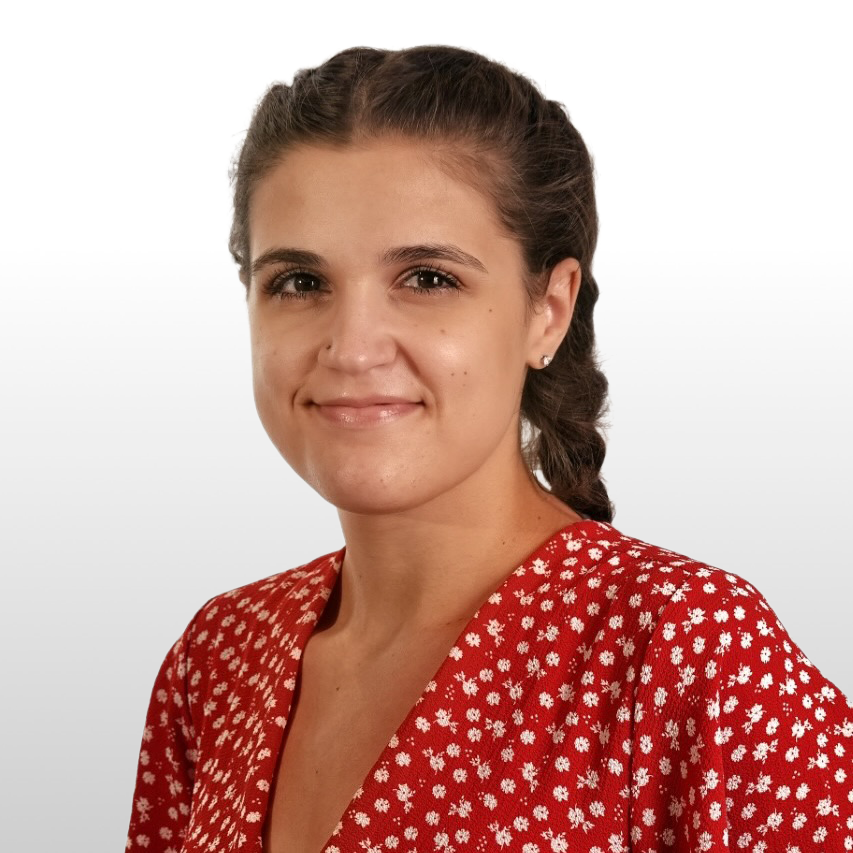
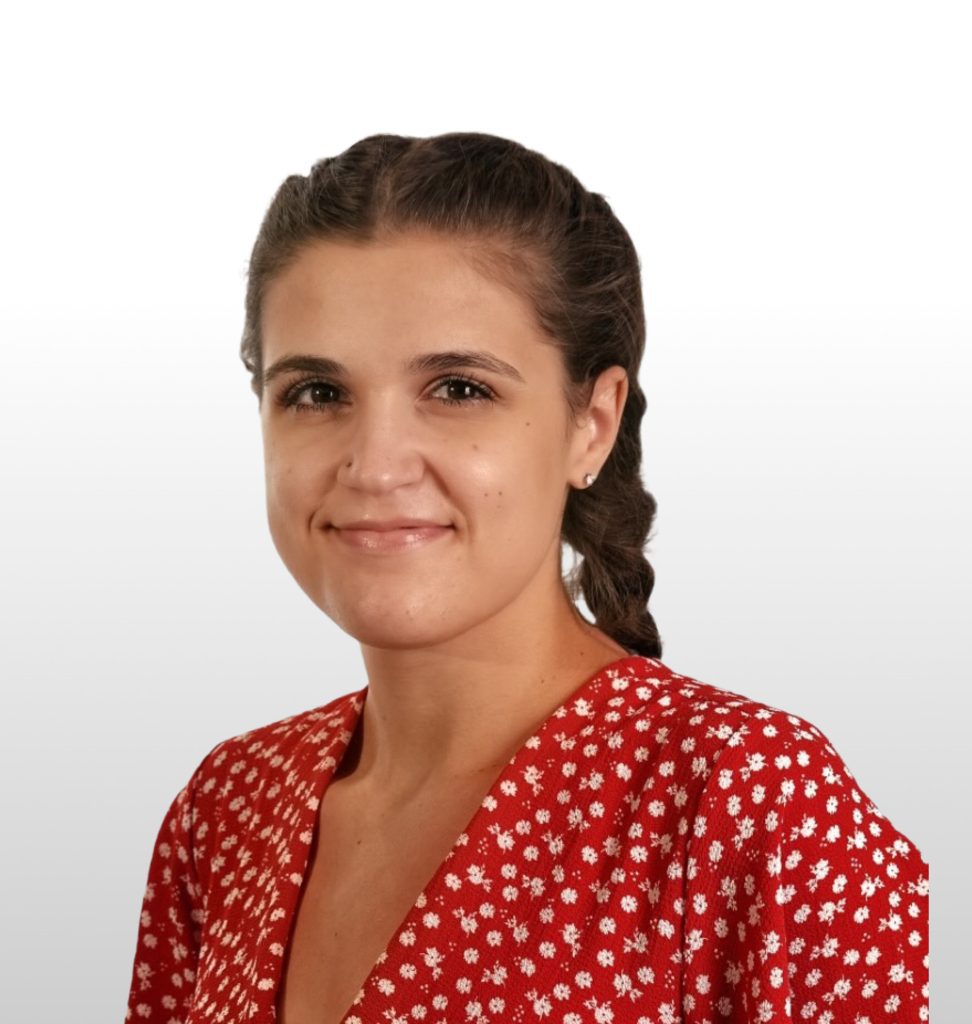
Manager of Operations
Shayla Warren is the Manager of Operations at SPARC with eight years of research training. She has extensive experience working with pediatric and adolescent populations and holds strong interests in mental health, neurological injury, and neuroimaging. Her previous work includes studies on mild traumatic brain injury, sport psychology, facial processing, language and literacy in at-risk youth, quality of life in adolescents with autism spectrum disorder, and pediatric ethical decision making.
At Emory SPARC, Shayla aims to identify brain alterations linked to injury to advance novel prevention and treatment technologies. She utilizes functional magnetic resonance imaging and electroencephalography to inform interventions that promote recovery. Shayla also supports longitudinal clinical trials, study assessments, student engagement, and workplace training initiatives.

Clinical Research Coordinator III
Jasmine Hill, is a Clinical Research Coordinator III at Emory Sports Performance And Research Center (SPARC) with more than 10 years of experience in clinical research. Over the past three years, she has been a key member of the Emory Orthopaedics research team, leading study startup activities, regulatory submissions, protocol development, participant recruitment, and day-to-day research operations. Prior to joining Emory, Jasmine supported clinical research programs at Washington University in St. Louis, where she worked in emergency medicine, cardiothoracic surgery, and esophageal cancer research.
Jasmine is passionate about advancing patient care through high-quality clinical research and is recognized for her leadership, collaborative approach, and commitment to operational excellence. She works closely with investigators, study teams, sponsors, and regulatory bodies to successfully develop and implement clinical research studies. At SPARC, her primary focus is regulatory and biomechanics research, supporting innovative projects aimed at improving musculoskeletal health, injury prevention, rehabilitation, and athletic performance.
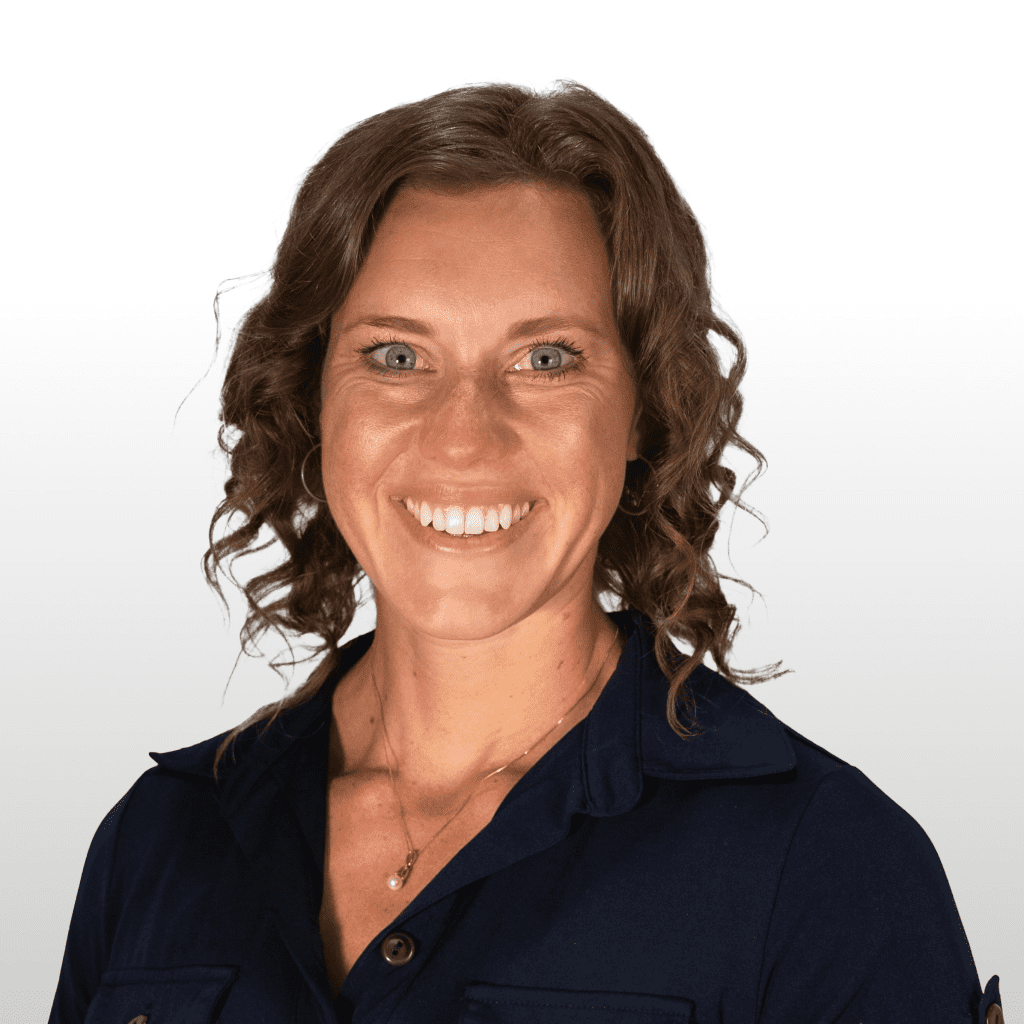
Associate Bioinformatics Scientist
Dr. April McPherson’s research specializes in the increased risk of lower extremity musculoskeletal injury following a concussion. She is passionate about outreach, application, and dissemination of research findings beyond the walls of academia to improve athletic performance and reduce the risk of injury across all levels of sport. At SPARC, Dr. McPherson is leading our virtual reality outreach initiative, GIVES. Dr. McPherson completed her undergraduate degree in Biomedical Engineering at the University of Cincinnati, where she also ran track and field. She then completed her PhD at the Mayo Clinic, where she studied how various neural contributions affect ACL injury risk and recovery- including history of concussion, thigh musculature neural and mechanical properties, and psychological readiness. She supported Team USA athletes at the Olympic Training Center in Colorado Springs for 3 years as an Associate Data Scientist in sports medicine and performance before joining Emory SPARC.

Post-Doctoral Research Fellow
Dr. Kwak uses principles of biomechanics to research ways to enhance human performance and validate measurement tools in the context of sports.
He brings a wealth of experience in studying how human muscles and tendons behave under load, beginning his research career in high school as he spent time at Northwestern University’s Feinberg School of Medicine evaluating the effectiveness of various rehabilitative devices on gait before continuing on to obtain an undergraduate degree in Biomedical Engineering at the University of Rochester, investigating the biomaterial properties of human tendon.
Most recently, Dr. Kwak completed his Ph.D. in Applied Physiology at Georgia Tech, learning about how muscle lengthening feedback may be leveraged by the nervous system to indirectly estimate more abstract measures. These experiences have afforded him a diverse skill set in 3D motion analysis, ultrasound, machine learning, and other methodologies to effectively tackle the most pressing questions in sports science research.
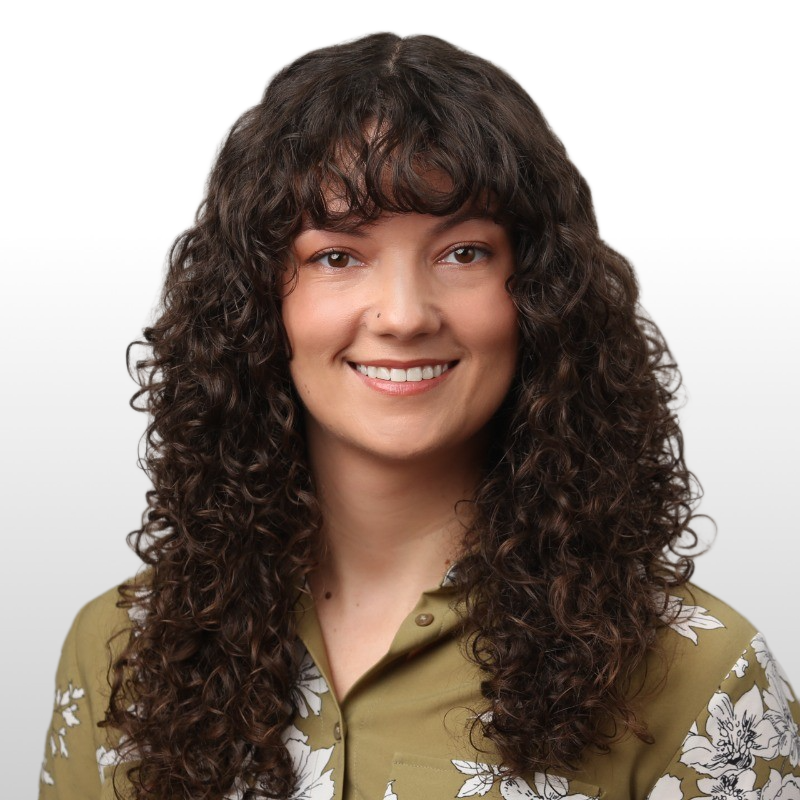
Post-Doctoral Research Fellow
Dr. Tessa Hulburt’s research focuses on developing patient-centered solutions to improve function, reduce pain, and enhance quality of life for those with complex chronic pain. Integrating expertise in human movement biomechanics, 3D motion analysis, and training in health services research, she brings an interdisciplinary lens to understanding both biomechanical and experiential contributors to pain, with the goal of translating these insights into pain management strategies. Dr. Hulburt completed her PhD at Virginia Tech–Wake Forest University, studying repetitive sport-specific movement biomechanics to identify and mitigate overuse injuries. At SPARC, she applies her biomechanical expertise to the FIT (Fibromyalgia Integrative Training) Teens program and the Emory Musculoskeletal Institute Gait Lab to investigate movement dysfunction in the context of pain. Her T32 fellowship in health services research extends her work to experiential contributors to pain, including gaps in healthcare access and barriers to effective pain management.
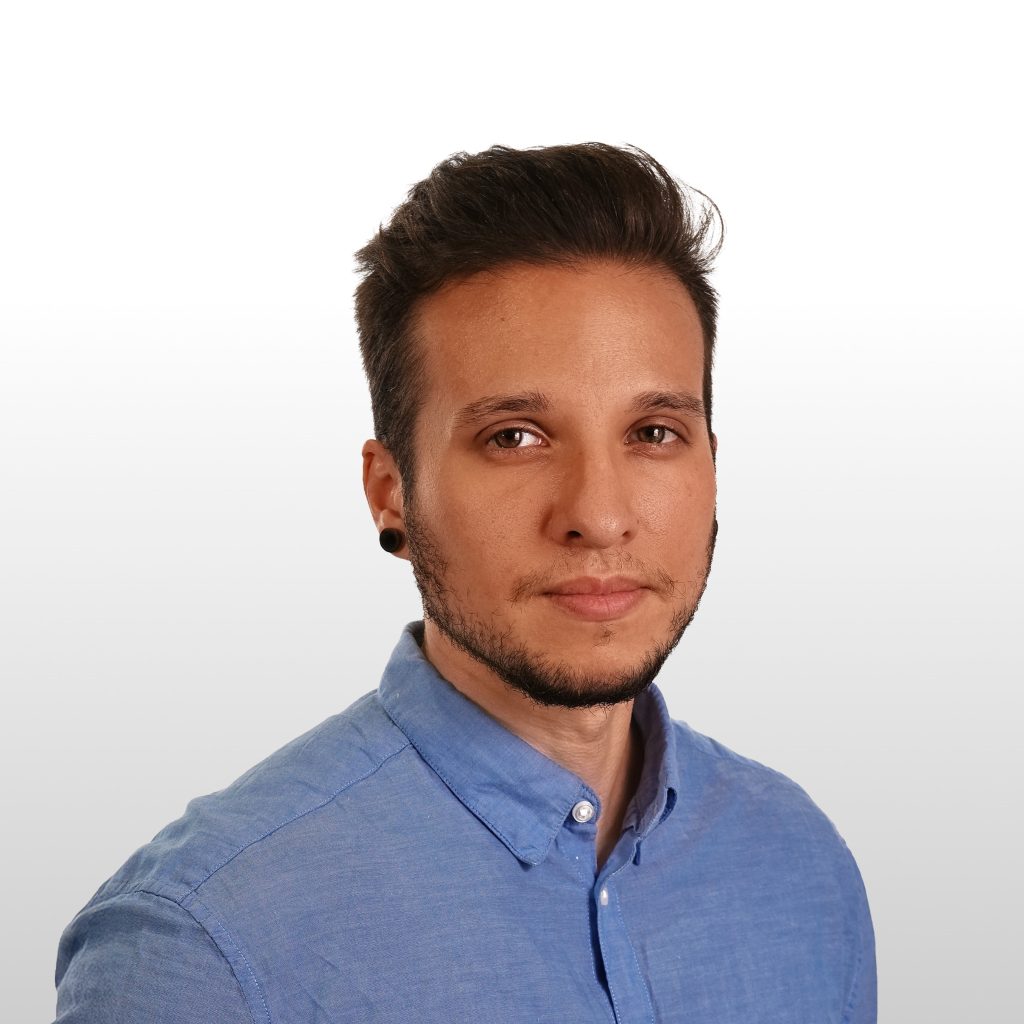
Post-Doctoral Research Fellow
Dr. Taylor Zuleger is a neuroscientist and post-doctoral research fellow at the Emory Sports Performance And Research Center (SPARC). He earned his PhD in neuroscience from the University of Cincinnati and holds dual bachelor’s degrees in psychology and human biology from the University of Wisconsin–Green Bay. With over eight years of neuroscience research experience, he maintains expertise in fMRI, EEG, and MR-compatible biomechanics. Dr. Zuleger’s research investigates how concussive, sub-concussive, and blast-related injuries alter brain structure and function to improve rehabilitation strategies and reduce long-term neurological consequences. Integrating neuroimaging and neuroscience techniques, he explores the neural mechanisms underlying movement dysfunction and cognitive/mental health outcomes in athletes and military personnel. His work bridges neuroscience and sports medicine by identifying neurophysiological signatures of injury risk and recovery, ultimately informing strategies to mitigate the lasting effects of neurological injury.
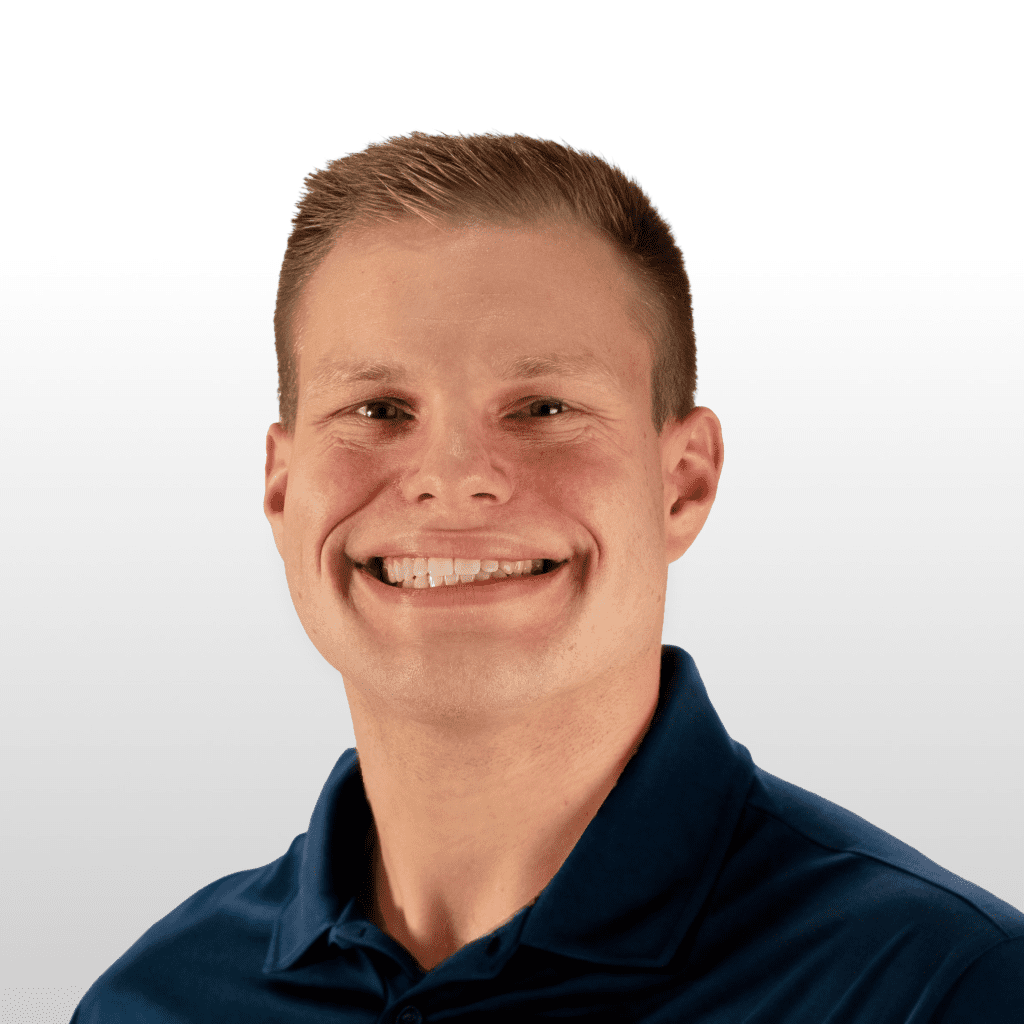
Post-Doctoral Research Fellow
Dr. Hagen is a postdoctoral fellow at the Emory Sports Performance And Research Center (SPARC) where he applies his interdisciplinary expertise in neuromechanics to investigate the neural and biomechanical underpinnings of movement. His research integrates motor control, neuroimaging, and biomechanics, with the long-term goal of enhancing injury prevention and rehabilitation strategies. Dr. Hagen completed his PhD at Colorado State University, where he studied how sensory dysfunction influences motor learning in people with multiple sclerosis. His dissertation focused on spatial and temporal coordination during gait, the relationship between changes in force production and altered ankle joint dynamics, and the impact of augmented sensory stimulation on motor learning retention and cortical activation. At SPARC, Dr. Hagen combines his background in motor learning, neuroimaging, biomechanics, and sensory feedback to better understand how a variety of conditions (ACL injury, osteoarthritis, repetitive head impacts) affect motor performance and the neural control of movement.
Research Technical Specialist
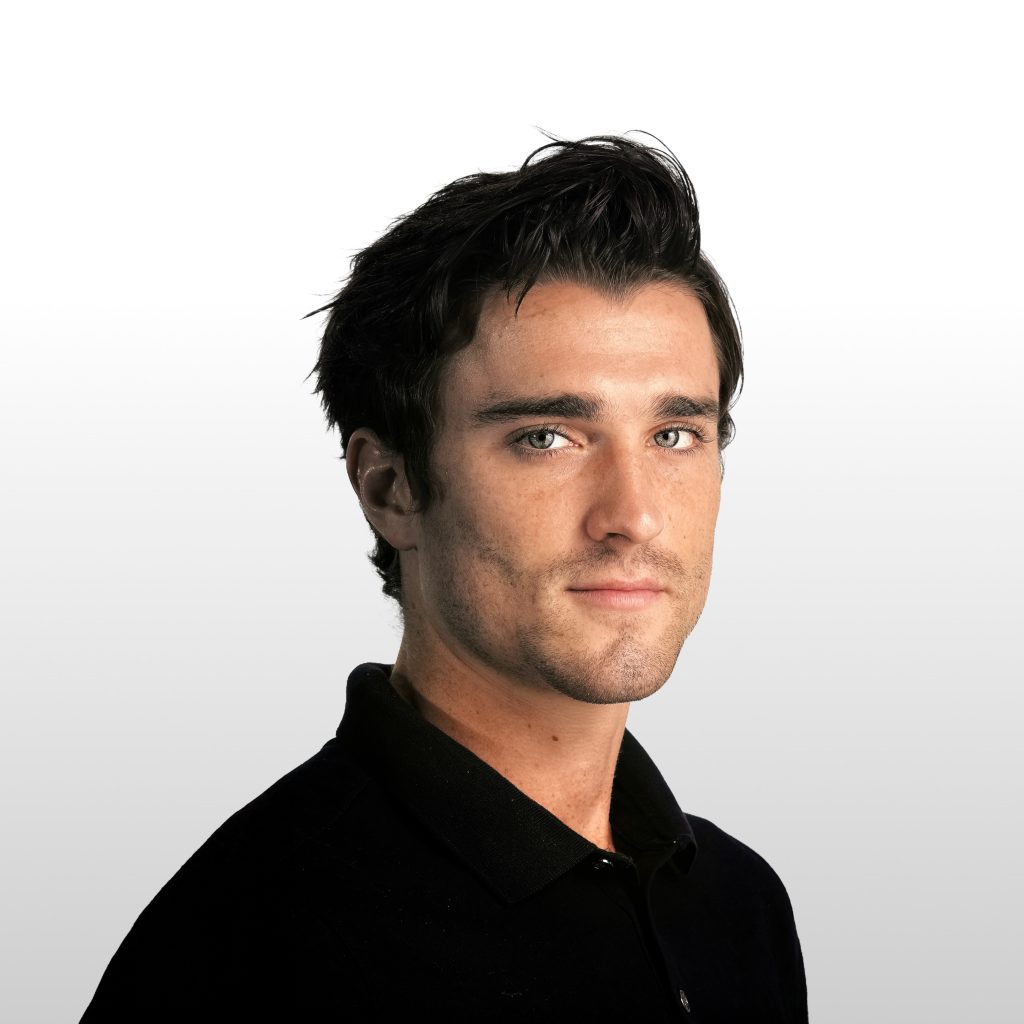
Andrew Schille is a Research Technical Specialist with over six years of experience in biomechanics, motion analysis, and data science/analytics. At SPARC, Andrew specializes in collecting, cleaning, managing, and analyzing multi-site motion capture data for NIH-funded projects, ensuring data integrity across systems. His expertise spans kinematic and kinetic data processing, algorithmic analysis, and visualization using statistical and machine learning methods.
He also pioneered the Emory SPARC Run Lab, a running gait analysis initiative bringing cutting-edge motion capture and data analysis to everyone from Olympic-level athletes to everyday individuals, optimizing performance while minimizing injury risk. Beyond motion systems, Andrew oversees the calibration and maintenance of force platforms, instrumented devices, and other high-performance testing technologies, ensuring precision and reliability across studies. He also leads the development of patient-facing reports that track performance and health KPIs over time.

Lead Research Specialist
Angela Skarpelis is a Research Specialist, Lead whose expertise in coaching and program design helps to bridge the gap between research and the practical application of sport science with the aim of supporting athletes’ performance goals and reducing risk of injury. Within her role at Emory SPARC, she helps to facilitate data collection in several ACL studies, using markerless motion capture, force plate testing, and dynamometry of the lower body. After testing sessions, she organizes the athlete’s performance data into streamlined reports for families and surgeons to track throughout the recovery process.
As an Olympic weightlifting coach and NSCA Certified Strength and Conditioning Specialist, she focuses on individual as well as team sport athletic development, designing programming with an emphasis on movement quality and proficiency, tendon and joint resilience, periodization specific to the athlete and competitive season, and relationship-building. She also writes free educational material on sport science and training theory implementation, with the aim of disseminating research in a concise and accessible way to the entire weightlifting community.

Clinical Research Coordinator I
Cami Brown is a Clinical Research Coordinator at the Emory Sports Performance And Research Center (SPARC), where she contributes to a variety of clinical research projects. She began her research career at SPARC as an undergraduate investigating within-season microstructural, cognitive, and psychological changes associated with repetitive head impact exposure in youth athletes. In her current role, she supports participant recruitment and communication, biomechanical data collection, MRI coordination, data processing, and study operations for SPARC’s longitudinal ACL Registry. Cami earned a Bachelor of Science in Neuroscience and Behavioral Biology and a Bachelor of Arts in Spanish from Emory University in 2025. Her research interests include traumatic brain injury, concussion recovery and prevention, spinal cord injury, neuroendocrinology, biomechanics, and movement science, with the goal of improving athlete health and performance across the lifespan.
Biomechanics Research Fellow
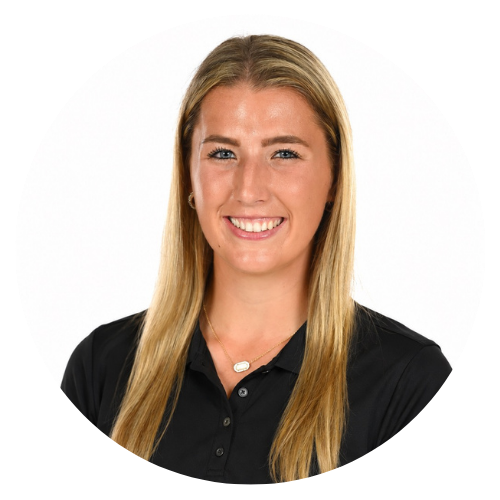
Isabelle Lee is a Biomechanics Research Fellow at Emory University and is in her final semester of pursuing a Master of Science in Exercise Science at the University of North Georgia. She earned her B.S. in Exercise Science from High Point University, where she gained research experience in human performance testing, Qualisys motion capture technology, force plate analysis, and data collection. As a former NCAA Division I and Division II goalkeeper, Isabelle‘s research interests center on injury prevention and optimizing athletic performance through movement analysis. In addition to her research, she currently serves as a goalkeeper coach for Inter Atlanta FC and assistant coach at St. Pius X Catholic High School, bringing extensive experience in athlete development and sports performance. Isabelle is passionate about bridging the gap between research and practice by translating scientific findings into practical, evidence-based strategies that coaches and practitioners can confidently implement. She hopes to improve coaches’ understanding and application of biomechanics and performance research to enhance athlete development, reduce injury risk, and promote long-term health and performance outcomes

Biomechanics Research Fellow